Skin Potions That Really Work: Unlocking the Power of Serums
By Andrea Scott
Skin Potions That Really Work: Unlocking the Power of Serums Serums have become one of the most popular skincare products for treating wrinkles, fine lines, dark spots, uneven skin tone, and dehydration. But with hundreds of products on the market, many people wonder: Do serums actually work, and which…
Home > Health Hub Blog > Skin Potions That Really Work: Unlocking the Power of Serums
Skin Potions That Really Work: Unlocking the Power of Serums
Serums have become one of the most popular skincare products for treating wrinkles, fine lines, dark spots, uneven skin tone, and dehydration. But with hundreds of products on the market, many people wonder: Do serums actually work, and which ingredients should you look for?
The answer depends on choosing the right serum for your skin concerns and understanding which ingredients are backed by science.
As we age, it’s natural to seek ways to rejuvenate our skin and combat the signs of aging, such as wrinkles, dark spots, and other imperfections. With shelves brimming with various lotions and potions, you may find yourself wondering which products truly deliver on their promises. One term that often catches the eye is “serum.” These concentrated liquids are designed to penetrate the skin quickly and effectively, but do they really work?
At Dispensaries Ltd, we specialize in compounding, and we have formulated our very own cream for fine lines and aging—EternaGlow, available exclusively in our stores. In this blog, we’ll explore the world of serums, what to look for, and how they can complement your skincare routine.
Key Takeaways
Serums contain concentrated active ingredients designed to target specific skin concerns.
The most effective serums often contain ingredients such as Vitamin C, hyaluronic acid, niacinamide, retinol, and peptides.
Different serums are designed for different goals, including hydration, anti-aging, brightening, and acne control.
Not all serums are created equal—ingredient quality and formulation matter.
Sensitive skin users should introduce active ingredients gradually and perform a patch test first.
What Are Serums?
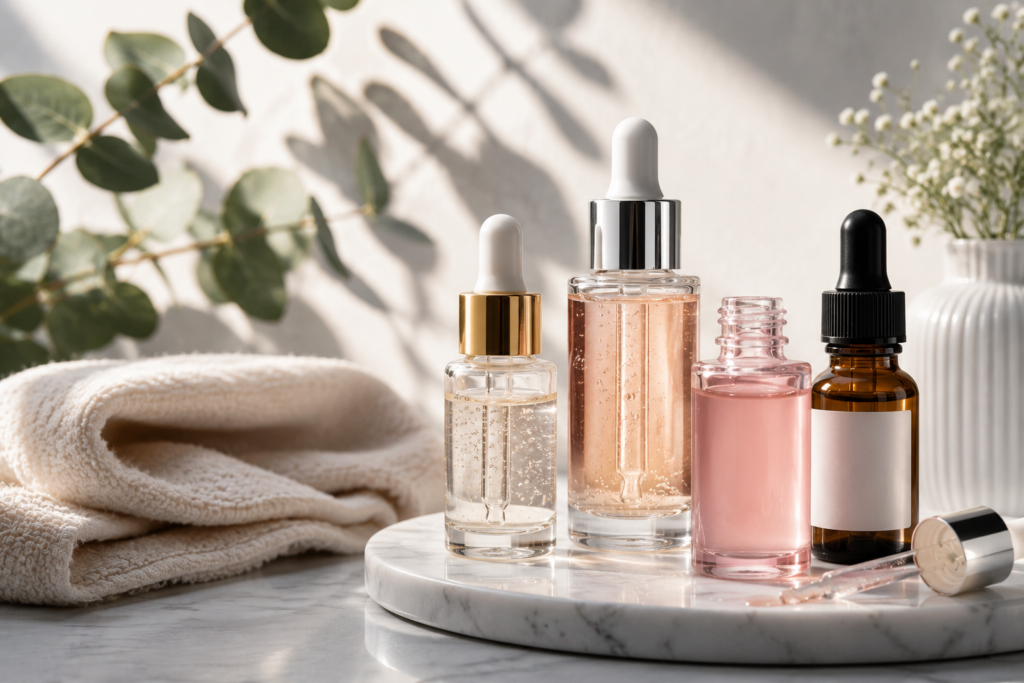
Serums are lightweight, easily absorbed liquids that contain a high concentration of active ingredients. Typically packaged in small bottles with droppers, a few drops are enough to cover your entire face. Unlike moisturizers, which provide hydration, serums deliver potent ingredients directly to the skin to address specific concerns.
What Makes a Serum Different from a Moisturizer?
Serum
Moisturizer
Concentrated active ingredients
Primarily hydrates and protects
Targets specific concerns
Supports skin barrier
Lightweight texture
Richer texture
Applied before moisturizer
Applied after serum
Why Use Serums?
Dermatologists recommend serums for anyone concerned about aging. According to experts, including Dr. Abigail Waldman and Dr. Maryam M. Asgari from Harvard Medical School, serums can provide enhanced anti-aging benefits beyond those offered by regular moisturizers and sunscreens. They are particularly effective when formulated with powerful ingredients like:
Vitamin C for Brightening and Support: Known for its ability to brighten the skin, reduce brown spots, provide antioxidant protection, and stimulate collagen production.
Hyaluronic Acid for Hydration: A hydrating powerhouse that helps retain moisture, plump the skin and reduce dryness.
Niacinamide for Tone and Barrier Repair: This ingredient can improve skin barrier function, enhance skin tone, and reduce the appearance of enlarged pores, redness and fine lines.
Retinol for Fine Lines and Wrinkles: Helps improve skin cell turnover, reduce the appearance of fine lines and wrinkles, and promote smoother, more even-looking skin.
Peptides for Firmness and Elasticity: Support collagen production and can help improve skin firmness, elasticity, and the appearance of fine lines.
How to Choose the Right Serum for Your Skin Concerns
Best Serum for Fine Lines and Wrinkles
Hyaluronic acid
Ceramides
Best Serum for Dark Spots and Hyperpigmentation
Vitamin C
Niacinamide
Best Serum for Sensitive Skin
Niacinamide
Lower-strength formulations
How to Use Serums
To maximize the benefits of serums, apply them after cleansing your skin but before moisturizing. Allow a bit of time before moisturizing to allow for absorption. This allows the active ingredients to penetrate deeply. Depending on the serum, you may find formulations that contain a single potent ingredient or a combination of several beneficial compounds.After that, be sure to always apply sunscreen during the day.
Do Serums Actually Work?
While no skincare product can stop aging entirely, many serums contain ingredients supported by clinical research that can improve hydration, reduce fine lines, brighten skin tone, and improve overall skin texture when used consistently.
Common Mistakes People Make with Serums
Serums can be a valuable addition to your skincare routine but using them incorrectly may limit their benefits or even cause irritation. Being aware of a few common mistakes can help you get the most from your skincare products and achieve better results over time.
Using too many active ingredients
Skipping sunscreen
Expecting overnight results
Applying too much product
Mixing incompatible ingredients
Are All Serums Created Equal?
Not all serums are the same. Their effectiveness can vary based on factors such as:
Active Ingredients: Look for serums with clinically backed ingredients that address your specific skin concerns.
Formulation and Vehicle: How a serum is formulated can affect its absorption and stability.
Quality: Higher-priced serums don’t always guarantee better results. Instead, focus on ingredient quality and efficacy.
Packaging: Packaging can affect a serum’s stability and performance. Dark bottles and airless pumps help preserve ingredients like Vitamin C by limiting exposure to light and air.
Cautions When Using Serums
While serums can be beneficial, it’s important to approach them with care. Powerful active ingredients can irritate sensitive skin. Here are some precautions to keep in mind:
Patch Test: Always test a small area of skin before applying a serum to a larger area to check for any adverse reactions.
Watch for Reactions: Signs of an allergic reaction may include rashes, inflammation, itching, or blistering.
Avoid Overlapping Acids: Be cautious when combining serums containing acids, such as vitamin C and retinol, as this can cause irritation.
Discover EternaGlow at Dispensaries Ltd
At Dispensaries Ltd, we understand the importance of personalized skincare. That’s why we have developed EternaGlow, our exclusive cream formulated to target fine lines and signs of aging. EternaGlow combines powerful ingredients tailored to promote youthful skin, and it’s only available in our stores. Our pharmacists are ready to help you find the right products and provide guidance on incorporating EternaGlow into your skincare routine.
Navigating the world of skincare can be overwhelming, but understanding the role of serums can help you make informed choices. While serums can be effective tools in your anti-aging arsenal, it’s essential to select the right ones for your skin type and concerns. Visit Dispensaries Ltd today to explore our range of products, including EternaGlow, and take the next step toward healthier, more radiant skin.
Skin Serum FAQs
What does a serum do for your skin?
A serum delivers concentrated active ingredients deep into the skin to address specific concerns such as wrinkles, dehydration, dark spots, and uneven skin tone.
Are serums better than moisturizers?
Serums and moisturizers serve different purposes. Serums target specific skin concerns using concentrated active ingredients, while moisturizers primarily hydrate and protect the skin barrier.
Which serum is best for aging skin?
The best serum depends on your goals. Common anti-aging ingredients include retinol, vitamin C, peptides, hyaluronic acid, and niacinamide.
How long does it take for a serum to work?
Some hydrating serums may show visible results within days, while improvements in fine lines, wrinkles, and pigmentation often require several weeks or months of consistent use.
Can you use more than one serum at a time?
Yes, but combining too many active ingredients may increase irritation. It’s best to introduce new products gradually and seek professional advice if you have sensitive skin.
From hormone balance, over gut health, to overall wellness. Stay informed with tips from our pharmacists at Dispensaries Ltd.
Get To Know Us Better
Find a Dispensaries Ltd Location Near You
We’re proud to serve communities across the region and throughout Alberta with care and convenience.
Each of our stores is staffed by knowledgeable, compassionate professionals ready to help you with everything from compounding pharmacy services to supplement guidance and beyond.