The best foods to eat while taking GLP-1 medications are high-protein, fibre-rich, and nutrient-dense options that support muscle retention, stable blood sugar, hydration, and long-term weight management. Protein-rich foods, vegetables, healthy fats, fermented foods, and hydrating meals can also help reduce common GLP-1 side effects like nausea, fatigue, and digestive discomfort.
Key Takeaways: Best Foods for GLP-1 Success
- Prioritize high-protein foods to help preserve lean muscle mass during weight loss.
- Fibre-rich vegetables and legumes support digestion and blood sugar balance.
- Healthy fats and oily fish can improve satiety and metabolic health.
- Fermented foods may support gut health and reduce digestive discomfort.
- Hydration and nutrient-dense meals are essential for long-term GLP-1 success.
GLP-1 medications are most effective when combined with nutrient-dense foods that not only help preserve muscle mass but also protect your metabolism and mitigate common side effects, such as nausea and fatigue. Here are some of the best food choices to enhance your experience with GLP-1 therapy.
1. Protein-Rich Foods for Muscle Retention on GLP-1
Protein-rich foods help preserve lean muscle mass while taking GLP-1 medications and support long-term metabolic health during weight loss.
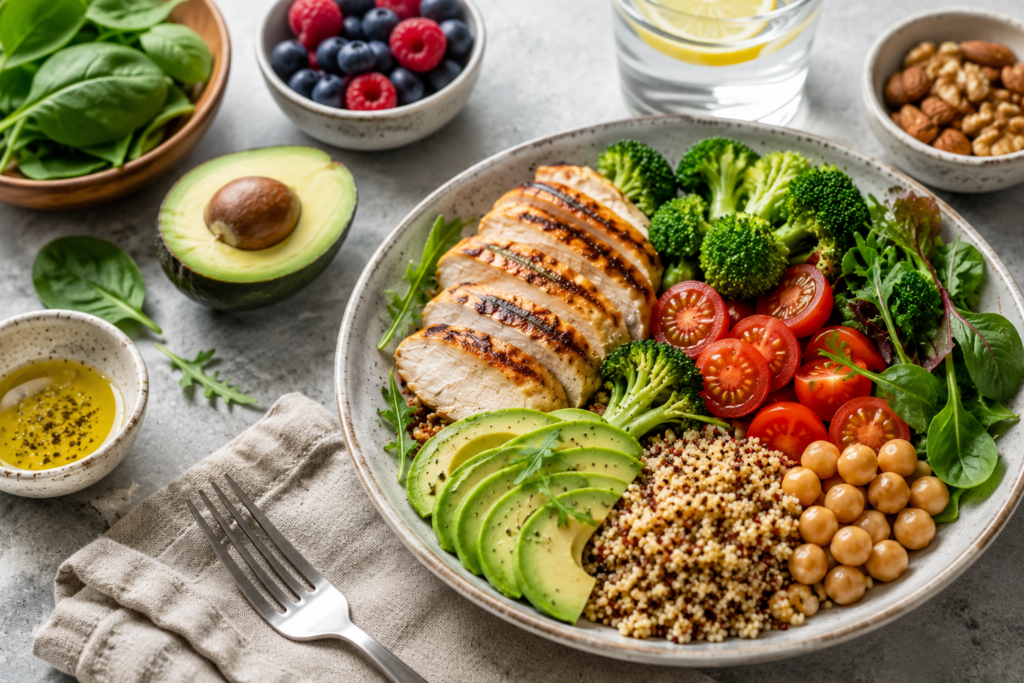
Incorporating protein-rich foods like chicken, fish, beef, Greek yogurt, tofu, and eggs is crucial. GLP-1 medications can reduce appetite, which may lead to inadequate protein intake and potential muscle loss. Aim for 1 gram of protein per pound of your target body weight. For instance, if your goal weight is 150 lbs, you should consume about 150 grams of protein daily. Consider meal ideas such as grilled chicken with vegetables, Greek yogurt with chia seeds, or scrambled eggs with spinach. Spreading your protein intake throughout the day can enhance its effectiveness.
2. Oily Fish for Metabolic Health Support on GLP-1
Oily fish provide omega-3 fatty acids that support heart health, reduce inflammation, and improve insulin sensitivity while taking GLP-1 medications.
Fatty fish, such as salmon, sardines, and mackerel, are excellent sources of omega-3 fatty acids, which help reduce inflammation and support heart health. Regular consumption can also improve insulin sensitivity, aiding your metabolic health. Aim for two to three servings of oily fish each week.
3. Fibre-Rich Vegetables to Support Digestion on GLP-1
Fibre-rich vegetables help support digestion, stabilize blood sugar, and reduce constipation commonly associated with GLP-1 medications.
Vegetables like broccoli, spinach, kale, cauliflower, and zucchini are vital, as they provide fibre that supports digestion and helps maintain balanced blood sugar levels. Aim for 25 to 30 grams of fibre daily. You can enjoy these vegetables steamed, roasted, or stir-fried with olive oil for a delicious and satisfying dish.
4. Fermented Foods for Gut Health While Taking GLP-1 Medications
Fermented foods can support gut health, improve digestion, and help replenish beneficial bacteria while taking GLP-1 medications.
Incorporating fermented foods like Greek yogurt, kefir, kimchi, and sauerkraut can help replenish beneficial gut bacteria and alleviate bloating. Aim to include a few spoonfuls of kefir or sauerkraut in your daily diet, as these can support gut health and digestion.
5. Healthy Fats to Help You Stay Full Longer
Healthy fats can improve satiety, support hormone function, and help maintain steady energy levels while taking GLP-1 medications.
Foods rich in healthy fats, such as avocados, olive oil, nuts, and seeds, can help you feel satisfied longer and support hormone balance. A Mediterranean diet, abundant in these healthy fats, has been shown to lower cardiovascular risk significantly. Try to include a small handful of nuts or a tablespoon of olive oil in each meal.
6. Lentils and Beans for Blood Sugar Support on GLP-1
Lentils and beans are high in plant-based protein and fibre with a low glycemic index, making them ideal for GLP-1 users.
They help keep blood sugar stable and have been shown to aid in weight management. Incorporate them into soups, stews, or salads for a filling and nutritious meal.
7. Berries for Antioxidants and Fibre on GLP-1
Berries are rich in antioxidants and fibre, making them a nutrient-dense fruit choice for people taking GLP-1 medications.
Berries, including blueberries, strawberries, and raspberries, are lower in sugar than many other fruits but rich in antioxidants and polyphenols. These compounds combat oxidative stress and inflammation, which are linked to obesity and metabolic disorders. Adding berries to your Greek yogurt or smoothies provides a delightful and guilt-free treat.
8. High-Protein Dairy Foods That Support Fullness
Cottage cheese and skyr are high-protein dairy options that can help support fullness and muscle maintenance during GLP-1 treatment.
These dairy products are high in protein and low in carbohydrates, making them excellent snack options. They contain casein, a protein that digests slowly to help keep you full. Opt for low-sodium, plain varieties and consider adding cinnamon or berries for added flavour.
9. Eggs for Satiety and Metabolic Support on GLP-1
Eggs are a nutrient-dense, high-protein food that supports satiety and metabolic health while taking GLP-1 medications.
Eggs are nutrient powerhouses packed with protein, B vitamins, and choline, supporting liver and brain health. Research indicates that eating eggs for breakfast can enhance satiety, support overall metabolic health, and reduce calorie intake throughout the day. Enjoy them in various forms—boiled, scrambled, or as omelets.
10. Hydrating Foods That Help Reduce GLP-1 Side Effects
Hydrating foods can help reduce nausea, support digestion, and improve hydration levels during GLP-1 treatment.
Foods like cucumbers, soups, and herbal teas are essential for staying hydrated, especially since GLP-1 medications can cause nausea and dehydration. While water remains the best hydration source, incorporating water-rich foods supports digestion and overall health. Soups and herbal teas can also help soothe stomach discomfort.
Common GLP-1 Nutrition Myths and Facts
It’s important to address common misconceptions surrounding GLP-1 medications:
Myth: You can eat anything and lose weight on GLP-1.
Fact: Food quality still matters for muscle retention, metabolism, energy levels, and long-term weight maintenance.
Myth: All carbohydrates are harmful.
Fact: Fibre-rich carbohydrates like lentils, beans, and berries provide important nutrients and help support stable blood sugar levels.
Myth: High protein will make you bulky.
Fact: Protein helps preserve lean muscle mass and supports a healthy metabolism during weight loss.
Myth: You can stop GLP-1 medications abruptly with no effects.
Fact: Stopping GLP-1 medications suddenly may contribute to increased appetite and rapid weight regain, so it’s important to work with a healthcare provider on a transition plan.
The Bottom Line: Building Long-Term Success on GLP-1 Medications
GLP-1 medications can support meaningful weight loss and metabolic improvements, but long-term success depends on sustainable nutrition, regular physical activity, muscle preservation, and healthy daily habits. Building these behaviours during treatment can help support long-term weight maintenance after stopping medication.
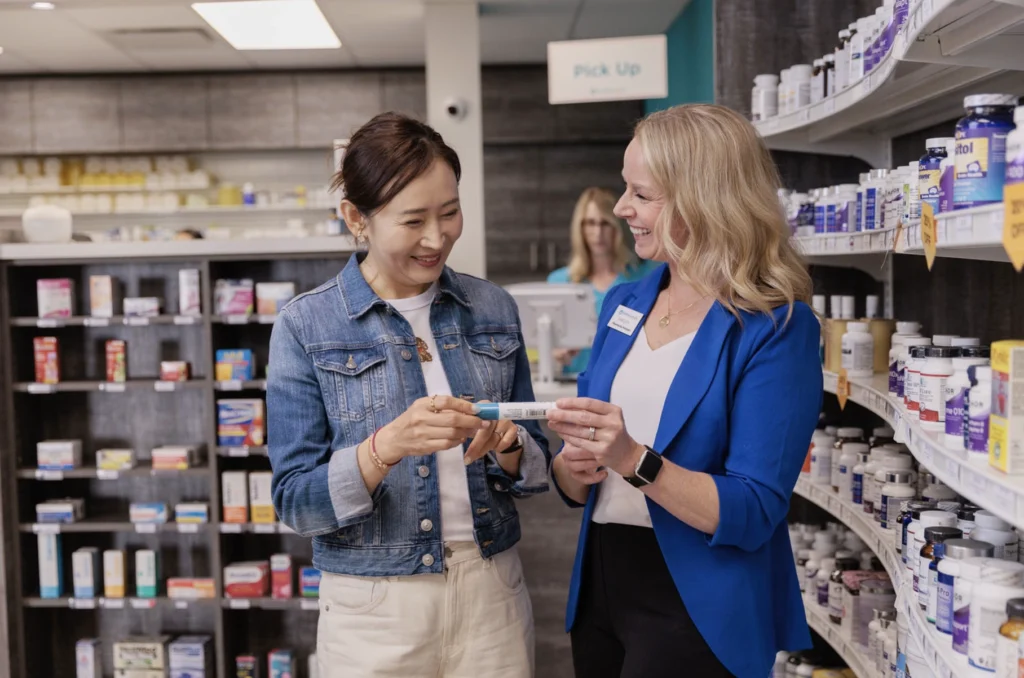
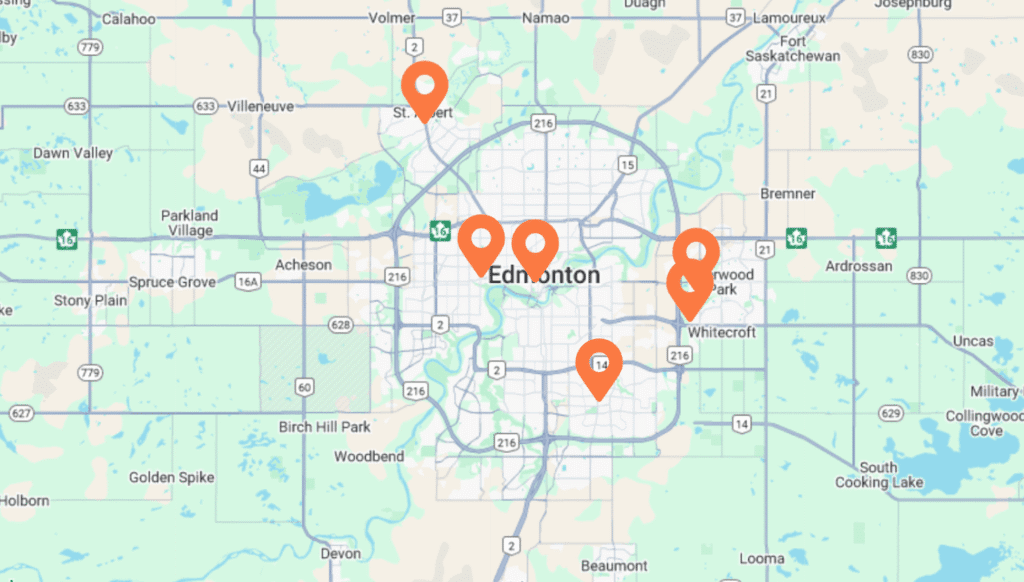
At Dispensaries Ltd., we invite you to visit our stores for personalized advice and support as you navigate your GLP-1 journey. Our team is here to encourage you and provide the guidance you need to fill your prescriptions and achieve your health goals.
Nutrition Habits to Cultivate
- Master portion control: Use smaller plates and practise the “plate method.”
- Embrace whole foods: Gradually reduce ultra-processed foods and cook at home more often.
- Develop mindful eating practices: Eat without distractions and pay attention to hunger cues.
- Plan and prep: Prepare meals in advance to ensure healthy options are readily available.
Exercise and Emotional Habits That Support Long-Term GLP-1 Success
Finding enjoyable physical activities and establishing a consistent routine can significantly impact your success. Additionally, addressing emotional eating and building a supportive network are essential steps in your journey. The habits you develop now will help you maintain your progress and enhance your overall well-being. Your success doesn’t end when you stop the medication; it’s just the beginning of a healthier lifestyle.
Frequently Asked Questions About Foods and GLP-1 Medications
What foods should you avoid while taking GLP-1 medications?
Highly processed foods, fried foods, sugary drinks, and large high-fat meals may worsen nausea, digestive discomfort, and blood sugar instability while taking GLP-1 medications.
How much protein should you eat on GLP-1 medications?
Many patients benefit from prioritizing high-protein foods throughout the day to help support muscle retention and satiety during weight loss.
Are carbohydrates bad while taking GLP-1 medications?
Not all carbohydrates are harmful. Fibre-rich carbohydrates like lentils, beans, vegetables, and berries can support digestion and stabilize blood sugar levels.
Why is hydration important on GLP-1 medications?
GLP-1 medications may contribute to nausea, constipation, and dehydration, making hydration important for digestion and overall well-being.
Can diet improve long-term GLP-1 success?
Yes. Sustainable eating habits, adequate protein intake, and nutrient-dense foods can help support long-term weight maintenance after stopping medication.