
The most effective cold-season habits are simple: wash hands well, avoid touching the face with unwashed hands, give sick people space, stay home when you are unwell and clean high-touch surfaces. Most colds improve on their own within 7–10 days.
Why colds surge when school starts
September is that lovely, chaotic month – new backpacks, fresh notebooks, the smell of sharpened pencils – and, almost as reliably, the first wave of coughs, sneezes and runny noses making their way through classrooms and into homes. After a summer of outdoor play and fewer shared surfaces, kids are suddenly in close quarters with hundreds of classmates, swapping not just stories but also the rhinoviruses and other bugs behind the common cold.
The good news: a few simple, well-proven habits can dramatically lower your family’s odds of catching – and spreading – the next cold.
By the numbers: colds in Canada
- The common cold is a leading cause of doctor visits in Canada and one of the top reasons for missed school and workdays.
- Adults average 4–6 colds a year; children average 6–8.
- Colds account for roughly 40% of all time off work, according to Canadian Family Physician.
- Cold season in Canada typically runs from September through May, peaking shortly after school starts and again after the winter holidays.
How to prevent a cold
Wash hands for at least 20 seconds
Hand-washing is your single best defence. Soap and water for at least 20 seconds — about the length of two rounds of “Happy Birthday” — is enough to remove most cold-causing germs. If your kids rush through hand-washing, choose any short song they enjoy and have them sing it twice.
No soap and water? Reach for an alcohol-based hand sanitizer with at least 60% alcohol.
Keep unwashed hands away from the face
Cold viruses enter the body most easily through the eyes, nose and mouth. The less often those areas are touched with unwashed hands, the fewer opportunities germs have to get in.
Be mindful of high-touch surfaces
Doorknobs, light switches, shared pens, grocery cart handles, phones and toys all get handled repeatedly. Wash or sanitize hands after touching shared surfaces and avoid touching the face in between.
Give sick people space
When possible, keep some distance from anyone who is coughing or sniffling. Colds spread through droplets from coughs and sneezes and through close contact.
If you or your child already has a cold
Once the cold has arrived, the goal shifts to comfort and containment:
- Stay home from school or work until you feel well enough to be there, especially if you have a fever.
- Cover coughs and sneezes with a tissue, discard it immediately, or cough into the crook of your elbow.
- Wash your hands frequently – especially after using a tissue.
- Disinfect high-touch items such as doorknobs, light switches, remotes, toys, phones and bathroom surfaces.
- Consider wearing a mask in public while you are symptomatic.
How to feel better
There is no cure for the common cold. It is caused by viruses, not bacteria, which is one reason antibiotics do not help and why inappropriate antibiotic use contributes to resistance.
- Rest: your body recovers better when it is not working as hard elsewhere.
- Fluids: water, broth and herbal tea can help with hydration and congestion.
- Over-the-counter symptom relief: pain relievers, decongestants and cough syrups may help, but always read the label and check with your pharmacist or doctor before starting something new — especially for children, because several common cold medicines are not recommended for kids under six.
When should you call a doctor or pharmacist?
Most colds resolve on their own within 7-10 days. Seek medical advice when there is:
- Symptoms lasting more than 10 days without improvement.
- Trouble breathing, fast breathing or wheezing.
- Sputum or phlegm developing in the lungs.
- A fever lasting longer than four days, or a fever that goes away and returns.
- Symptoms that are severe, unusual or simply worrying to you.
Plan ahead for influenza season
Colds and flu are not the same thing – flu tends to hit harder and come on faster – but many of the same hygiene habits help reduce spread. Alberta’s annual influenza immunization begins October 19, 2026 – available at all of our Dispensaries Ltd locations in Edmonton, Spruce Grove, Sherwood Park and St. Albert.
A cold or two during cold season is, for most families, simply part of the deal. But it does not have to be a weekly occurrence. Wash your hands, keep them away from your face, give sick people space and stay home when you are the one who is sick. Stock the cupboard with tissues, soup and a kid-friendly electrolyte drink, and plan ahead for flu-shot season.
| Need help choosing safe cold relief for your family? Ask a Dispensaries Ltd. pharmacist. We can help you sort through children’s and adult cold products, medication interactions and symptom-relief options. |
Frequently asked questions
How long does a common cold usually last?
Most colds improve on their own within about 7–10 days.
Do antibiotics treat a common cold?
No. Colds are caused by viruses, so antibiotics do not treat the cold itself.
When should a child with a cold see a healthcare professional?
Seek medical advice for breathing difficulty, wheezing, persistent or returning fever, symptoms lasting more than 10 days without improvement, or any symptom that is severe or concerning.
Can young children take cold medicine?
Some common cold medicines are not recommended for children under six. Ask a pharmacist or doctor before giving a child a new cough or cold product.
Get our health hub blogs directly in your inbox.
From hormone balance, over gut health, to overall wellness. Stay informed with tips from our pharmacists at Dispensaries Ltd.
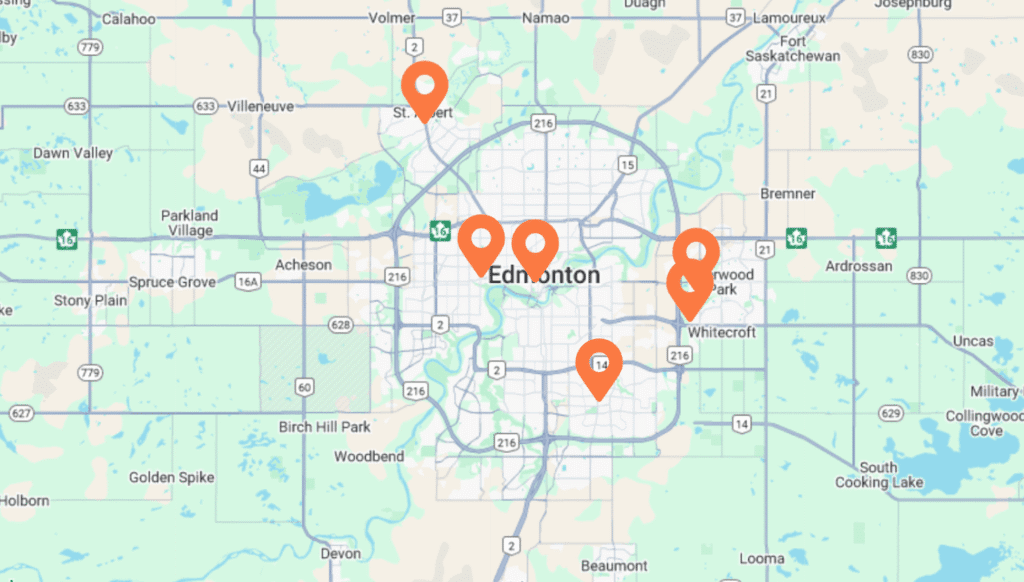
Find a Dispensaries Ltd Location Near You
We’re proud to serve communities across the region and throughout Alberta with care and convenience.
Each of our stores is staffed by knowledgeable, compassionate professionals ready to help you with everything from compounding pharmacy services to supplement guidance and beyond.