Building Habits That Last: Your GLP-1 Success Strategy
By Andrea Scott
Learn how to prevent muscle loss, protect your metabolism, and build lasting habits while on GLP-1 medications to avoid weight regain after stopping.
Home > Health Hub Blog > Building Habits That Last: Your GLP-1 Success Strategy
In Part 1, we explored the science behind GLP-1 medications and confronted the sobering reality that nearly half of patients regain their weight after stopping. But knowledge is only half the battle. What matters most is how you use the limited window of opportunity these medications provide.
The Muscle Loss Crisis Nobody Talks About
Before we dive into your action plan, we need to address one of the most concerning side effects of rapid weight loss on GLP-1 medications: muscle loss. You’ve probably heard of “Ozempic face”—the gaunt appearance some people develop due to facial fat and muscle loss. But muscle loss affects far more than your appearance.
Recent studies reveal alarming statistics. Between 15% and 40% of the total weight loss from GLP-1 medications may be lean muscle mass. In some studies, muscle accounts for 25% of overall weight loss. Women and older adults face a particularly high risk, with approximately 40% of weight loss from semaglutide coming from lean mass rather than fat.
Why should you care about losing muscle? Because muscle burns calories even while you’re sleeping, helping control blood sugar after meals and keeping bones strong. Muscle loss increases your risk of falls, disability, and frailty as you age. Most critically for long-term weight maintenance, less muscle means a slower metabolism, making regain easier and faster.
The good news? Research shows you can protect your muscles with strategic nutrition and exercise. Aim for at least 35 grams of protein per meal—roughly 0.4 grams per kilogram of body weight. Older adults may need even more. Every meal is an opportunity to rebuild muscle lost during fasting, and breakfast is especially critical after the overnight fast, when muscle breakdown is highest.
Exercise isn’t optional if you want to succeed in the long term. Meet the US physical activity guidelines: at least 150 minutes per week of moderate-intensity activity, with at least two days per week dedicated to strength training. Resistance training is absolutely crucial for maintaining muscle mass during weight loss.
The 10 Foods That Power GLP-1 Success
GLP-1 medications work best when paired with nutrient-dense foods that preserve your muscle, protect your metabolism, and prevent common side effects like nausea or fatigue. Think of these foods as your foundation.
Protein-rich foods form the cornerstone of your eating plan. Chicken, fish, beef, Greek yogurt, tofu, and eggs should appear at every meal. GLP-1 medications reduce appetite so dramatically that many patients don’t eat enough protein without conscious effort, leading directly to muscle loss. Aim for one gram of protein per pound of your goal body weight daily. If you want to weigh 150 pounds, eat 150 grams of protein daily, spread throughout the day for optimal muscle protein synthesis.
Oily fish like salmon, sardines, and mackerel deserve special mention. Rich in omega-3 fatty acids, these fish reduce inflammation and support heart health while improving insulin sensitivity—key for metabolic health. Two to three servings weekly, grilled or baked, can transform your results.
Fibre-rich vegetables like broccoli, spinach, kale, cauliflower, and zucchini help keep your gut moving despite the slowed digestion caused by GLP-1 medications. Aim for 25 to 30 grams of fiber daily. As a bonus, fibre supports your gut microbiome, which can enhance your body’s natural GLP-1 production.
Don’t overlook fermented foods like Greek yogurt, kefir, kimchi, and sauerkraut. GLP-1 medications can alter gut sensations, and fermented foods replenish beneficial bacteria while reducing bloating. Studies show probiotics can improve GLP-1 secretion and gut-brain communication. A few spoonfuls of kefir or sauerkraut daily goes a long way.
Healthy fats from avocado, olive oil, nuts, and seeds help you feel full longer and stabilize your hormones. The landmark PREDIMED study showed that a Mediterranean diet rich in these fats reduces cardiovascular risk by 30%. A small handful of nuts or one tablespoon of olive oil per meal provides plenty of benefit without excess calories.
Your Month-by-Month Success Plan
Success on GLP-1 medications follows a predictable pattern when you approach it strategically. During your first three months, focus on foundation building. Meet with your clinician regularly to adjust dosage and monitor side effects. Start tracking your food intake and protein consumption—not obsessively, but mindfully. Begin a simple exercise routine, even if that’s just 15-minute walks. Focus on increasing vegetables and protein at every meal while staying well-hydrated with at least 64 ounces of water daily.
Months four through six are about habit solidification. This is when you increase exercise intensity and frequency, adding strength training twice weekly. Practice portion control even when your appetite is suppressed by the medication—you’re training yourself for when that suppression ends. Develop ten go-to healthy meals you genuinely enjoy and can make easily. Address emotional eating patterns now, while the medication provides breathing room to develop alternative coping strategies.
Months seven through twelve prepare you for independence. Gradually increase your awareness of natural hunger and fullness cues. Practice eating without relying solely on medication-suppressed appetite. Build confidence in your ability to maintain healthy choices. Develop strong stress management and coping skills that don’t involve food. Work with your doctor to create a detailed maintenance plan for after you stop the medication.
Life After GLP-1: Sustainable Success
The habits you build during treatment become non-negotiable for long-term success. Continue regular exercise—it’s no longer optional. Maintain your protein intake and focus on whole foods. Stay connected to your support system, whether that’s your healthcare team, a support group, or trusted friends who understand your journey. Monitor your weight weekly, not daily, to catch small regains before they become large ones. Many successful patients follow a “five-pound rule”—if weight creeps up five pounds, they immediately return to their strictest habits until it’s gone.
For some patients, long-term medication use or cycling on and off treatment may be appropriate. This isn’t failure—it’s recognizing that obesity is a chronic condition that may require ongoing treatment, just like diabetes or high blood pressure.
The people who succeed long-term with GLP-1 medications aren’t the ones with the most willpower. They’re the ones who understand from day one that the medication is a tool, not a solution. They’re the ones who use their time on medication to build unshakeable habits. They’re the ones who protect their muscle, prioritize protein, establish exercise routines, and develop the mental and emotional skills to navigate life’s stresses without turning to food.
You have an incredible opportunity ahead of you. Use it wisely. The training wheels will come off eventually. Make sure you’re ready to ride.
At Dispensariers Ltd, we are here to help.
Call us to find out how to schedule time with our in-house dietician
GLP-1 Success Strategy: Build Habits That Last | Dispensaries
From hormone balance, over gut health, to overall wellness. Stay informed with tips from our pharmacists at Dispensaries Ltd.
Get To Know Us Better
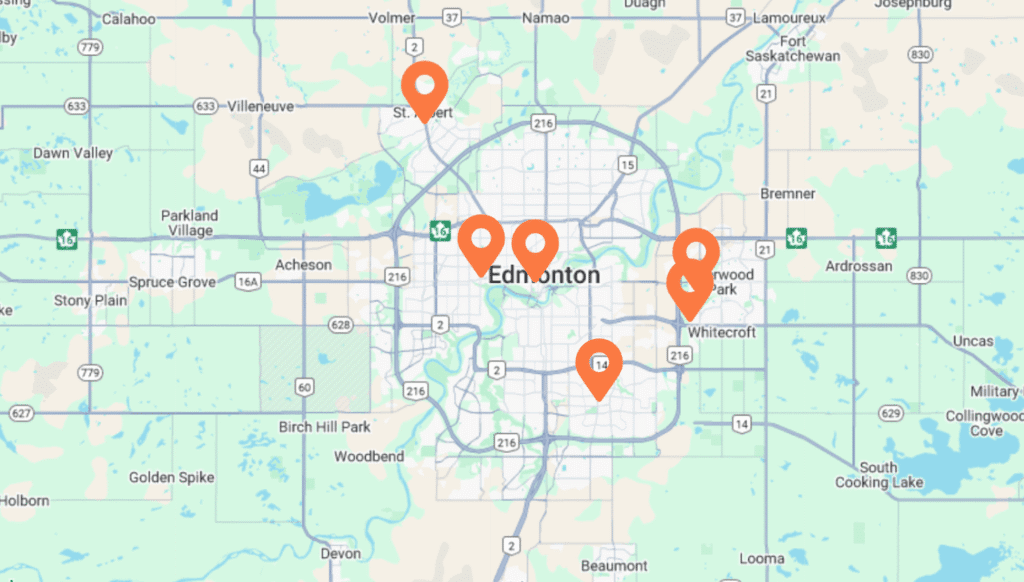
Find a Dispensaries Ltd Location Near You
We’re proud to serve communities across the region and throughout Alberta with care and convenience.
Each of our stores is staffed by knowledgeable, compassionate professionals ready to help you with everything from compounding pharmacy services to supplement guidance and beyond.